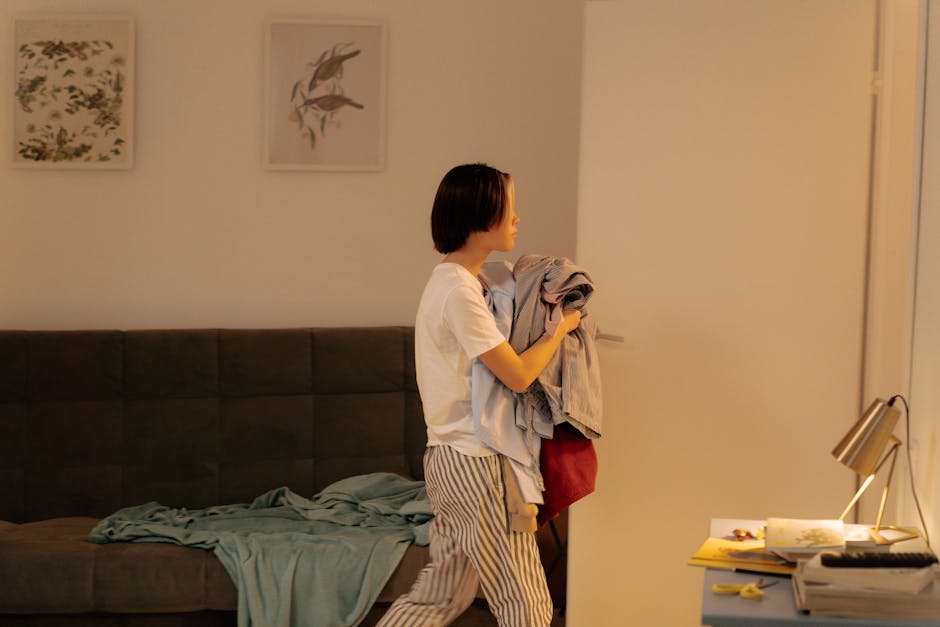
As the sun rises over the city, the familiar sound of a phone notification breaks the early morning silence. It’s a reminder for a meeting that slipped through the cracks of last night’s late work session. In the hallway drop zone, the umbrella remains untouched, a small but telling sign of the disarray that comes from a late start. The remote worker, still in pajamas, glances at the clock and feels the weight of time slipping away. The morning routine, usually a well-oiled machine, now feels like a series of missed checks and hurried decisions.
With breakfast triage underway, the worker fumbles through the fridge, grabbing whatever is easy to prepare. The coffee pot gurgles, but the clothes remain unlaid out, hidden under a pile of laundry. This simple oversight can disrupt the flow of urban walking exploration, as the clothes left in the bedroom become a barrier to stepping out the door. Each minute lost compounds the friction, making it harder to reclaim the rhythm of the day. The sequence of tasks that usually leads to a refreshing walk through the city now feels jumbled and chaotic, leaving the worker wondering how to restore the intended flow.
The Morning Routine That Gets Disrupted
The kitchen is a flurry of activity as the remote worker stands at the counter, juggling a half-eaten bagel and a steaming cup of coffee. The clock on the wall ticks ominously, reminding them of the minutes slipping away. In the hallway, the umbrella leans against the wall, a silent reminder of the walk that should be happening soon. Yet, the clothes remain unlaid out, buried under a pile of laundry in the bedroom. This oversight looms large, creating a physical barrier to the planned urban exploration.
As the worker hastily prepares breakfast, a phone notification buzzes on the countertop, pulling their attention away from the task at hand. The screen lights up with a message that demands immediate attention, breaking the flow of thought. With a sigh, they glance at the clock again, realizing that the sequence of their morning routine has been disrupted. The usual rhythm of laying out clothes, grabbing keys, and stepping outside has been replaced with a chaotic scramble. The worker knows that without a clear plan, the walk they envisioned may slip away entirely, leaving them to navigate the day without the refreshing reset that urban walking provides.
Identifying the First Missed Step
The moment the alarm clock rings later than usual, the chain reaction begins. In a rush to prepare breakfast, the simple act of laying out clothes is often skipped. Instead of selecting a comfortable outfit from the closet, the remote worker finds themselves rifling through a pile of laundry, which only adds to the morning chaos. This last-minute decision not only heightens stress but also disrupts the mental preparation needed for a successful urban walking exploration.
As they pour coffee into a travel mug, a familiar buzz interrupts their thoughts. A phone notification lights up the countertop, demanding immediate attention. This distraction pulls them away from their breakfast routine and further derails their focus. With the clock ticking, they hastily grab a jacket but forget to check for their umbrella, which remains in the hallway drop zone, hidden beneath a pile of shoes. Without this crucial item, the chance of an unprepared walk looms large, especially if the weather turns unexpectedly.
After a quick glance at the screen, they realize that the time for a leisurely stroll has already slipped away. The usual sequence of grabbing keys and stepping outside is replaced with a frantic search for the umbrella. As the worker finally steps out the door, the absence of the umbrella weighs heavily on their mind, a reminder of how one missed step can cascade into a larger disruption. The planned reset through urban walking now feels uncertain, leaving them to navigate the day with a lingering sense of what could have been.
A slightly different version of this problem appears in Daily Routines Real Life, where the sequence changes but the hidden drag feels familiar.
A Simple Adjustment to Regain Control
This same friction shows up again in Everyday Life In The, especially when the day tightens unexpectedly.
In the chaos of a late start, the simple act of placing the umbrella by the door the night before can make a significant difference. Instead of rummaging through a cluttered hallway drop zone, where it often gets buried under shoes, having it visible ensures you're ready for any unexpected weather. This small adjustment not only saves time but also reduces the mental load of remembering essential items during a rushed morning.
To further streamline your routine, setting a timer for five minutes can help focus your efforts on preparing for the walk. This brief period minimizes distractions, especially from phone notifications that often pull you away from your tasks. When the timer goes off, you can check off essential items: grab your keys, adjust your jacket, and confirm you have your umbrella in hand. By prioritizing these actions, you create a more efficient sequence that allows you to step outside with confidence, rather than scrambling at the last minute. Missing these small checks can lead to a day filled with uncertainty, where the planned urban exploration feels more like a burden than a refreshing reset. How This Adjustment Transforms the Day Ahead Setting the umbrella by the door becomes a small but significant act in this late-start scenario. When the remote worker lays it out alongside their shoes, the simple visibility of this object reduces the mental clutter of wondering if they’ll need it later. With the umbrella ready, they can step outside feeling more prepared, which shifts their mindset from rushed to relaxed, enhancing the overall walking experience.
As they finally head out, the worker can feel the day start to flow better. The morning walk, although delayed, serves as a crucial daily reset. Instead of feeling like an afterthought, the urban exploration becomes a refreshing interlude. The act of walking through the neighborhood allows them to mentally unwind and gather thoughts, establishing a consistent routine despite the late start.
To keep the momentum going, they check their phone for notifications before leaving. This quick action helps filter out distractions that could derail their focus. If a notification pops up, they resist the urge to dive into it, instead prioritizing their walk. This decision to delay engagement with their phone reinforces the habit of keeping the walk a priority. As they step onto the street, the umbrella in hand and phone notifications ignored, the worker feels a sense of accomplishment that carries through the rest of the day. This simple adjustment not only enhances the immediate experience but also sets a positive tone for the hours ahead, making a late start feel less daunting.
As the evening winds down, the remote worker stands in the hallway drop zone, contemplating tomorrow’s walk. A quick glance at the scattered shoes reminds them of the importance of laying out their walking clothes the night before. This small act can prevent the morning scramble that often leads to missed opportunities for exploration. The umbrella, still resting in the corner, serves as a reminder of the need to check the weather before heading out. By placing it near the door, they can ensure it’s ready for the unexpected rain, reinforcing the habit of being prepared.
When the day starts late, the flow of urban walking can easily break down, but these small adjustments create a smoother transition. A simple check of the phone notifications before bed can help filter distractions, allowing for a more focused morning. Tomorrow, they’ll prioritize this routine, setting the stage for a consistent walking experience, no matter how the day begins.
