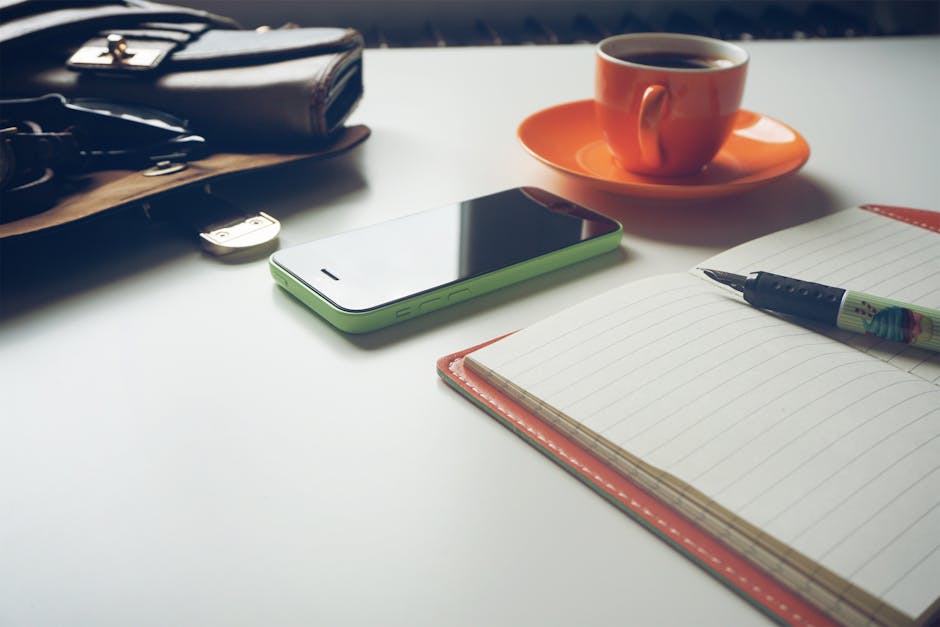
On a late-start weekday morning, the kitchen counter is cluttered with remnants of last night’s dinner and the planner remains closed on the table, a silent reminder of the day ahead. As the clock ticks past the usual start time, the urge to slip back into bed grows stronger. The phone buzzes with notifications, pulling attention away from the intent to pack the bag for an urban walking exploration. Each moment spent scrolling instead of preparing chips away at the small routine that could set a positive tone for the day.
In this chaotic setup, the simple act of placing the walking shoes by the door becomes a missed opportunity. When the shoes aren’t visible, they blend into the background of the morning rush, overshadowed by the distractions of technology and the lingering fatigue from the previous day. The decision to skip checking the planner for the day’s route or packing a water bottle leads to a cascading effect, where the intention to explore the urban landscape fades before it even begins. Each small oversight compounds, making the goal of a refreshing walk feel increasingly out of reach.
The Expected Routine: A Late-Start Weekday
The kitchen counter is cluttered with remnants of last night’s dinner, a stark reminder of the day’s chaos. As the clock ticks closer to the hour when the morning routine should have begun, the bag sits half-packed, missing essentials like the water bottle and comfortable walking shoes. The planner, usually a guiding star for urban exploration, remains closed on the table, its pages untouched. This setup, while familiar, highlights the friction that arises when the day starts late. The intention to explore the city is overshadowed by the disarray, making it easy to slip back into old habits.
When the phone buzzes with notifications, it interrupts the fragile reset. Instead of checking the planner to outline the day’s route, attention drifts to the screen, leading to a cascade of distractions. The shoes, crucial for the walk, are still in the closet, unseen and forgotten. To counter this, placing the walking shoes by the door the night before could serve as a visual reminder to pack them in the morning. However, without that small adjustment, the chance to embrace the urban landscape fades, leaving behind only the remnants of a routine that could have been.
The First Step That Gets Skipped
The kitchen counter, cluttered with yesterday’s dishes and an unopened planner, serves as a stark reminder of the morning's potential derailment. As the clock ticks past the usual start time, the intention to step out for an urban exploration begins to slip away. The planner, typically a beacon of direction, remains closed, its pages untouched, a silent witness to the day’s disarray. Without that initial glance at the planner, the route remains undefined, and the urge to explore the city fades into the background.
When the phone buzzes with a notification, it slices through the fragile reset of the morning. Instead of focusing on packing the essentials—like the walking shoes still tucked away in the closet—attention shifts to the screen. This distraction creates a ripple effect, pulling the mind away from the urban adventure that was supposed to unfold. The shoes, crucial for the walk, are forgotten as the day’s momentum shifts toward responding to messages instead of setting out on foot.
To counter this drift, a simple adjustment can be made: place the planner next to the coffee maker the night before. This small change transforms it into a visible prompt, making it harder to overlook. However, without this proactive step, the likelihood of missing out on the day’s exploration increases, leaving only the remnants of a routine that could have been revitalized by a clear plan and the right mindset.
If this pattern keeps repeating, Daily Routines Real Life extends the idea without leaving the niche.
Why the Routine Repeats Its Failures
Late-start mornings often derail the best intentions of an urban walking routine. When the phone lights up with notifications, it pulls focus from the task at hand—packing the bag for the day’s exploration. Instead of reaching for the walking shoes, the attention shifts to the screen, where messages demand immediate responses. This distraction not only interrupts the flow but also creates a habit of postponement, making it easy to overlook essential preparations.
In the chaos of a late start, the planner sits closed on the kitchen counter, a missed opportunity for organization. Without the night-before ritual of packing the bag, scrambling ensues in the morning. The shoes remain hidden in the closet, while the coffee brews, and the clock ticks down to departure time. To counteract this pattern, place the bag by the door the night before, ensuring it’s the first thing seen in the morning. This simple act can serve as a reminder to prioritize the walk, yet without this proactive step, the cycle of missed opportunities continues, leaving only the remnants of a routine that could have sparked a revitalizing urban adventure. A Better Order for the Same Five Minutes Late-start mornings can throw an urban walking routine into disarray, especially when the clock is ticking. A phone notification interrupts the reset, pulling attention away from essential tasks. To regain control, a few small adjustments can make a significant difference.
- Place the bag by the front door the night before to avoid last-minute packing.
- Set a specific time to check the phone after morning tasks are completed, like 10 minutes after brewing coffee.
- Open the planner first thing in the morning to visualize the day ahead.
By implementing these steps, the morning routine can feel less chaotic. When the bag is already by the door, it serves as a visual cue to prioritize the walk. This simple act can help mitigate the risk of distractions, allowing for a smoother transition from home to the urban environment. The planner, once opened, can guide the day’s exploration, ensuring that the late start doesn’t derail the entire routine.
What to Check Before the Phone Takes Over
Before diving into the morning chaos, take a moment to ensure the bag is packed and waiting by the front door. This small action creates a visual cue that reminds you of your urban exploration plans. When the bag is ready, it’s easier to resist the urge to check your phone immediately, which often leads to distractions that can derail your routine.
Next, carve out two minutes to open your planner, which is likely still closed on the kitchen counter from the night before. Use this time to review your exploration goals for the day. Jot down specific areas you want to visit or streets you wish to walk. This quick check not only solidifies your intentions but also serves as a mental reset, allowing you to prioritize your walking routine over the pull of notifications. By placing the planner in a visible spot, you create an additional reminder to focus on your plans instead of getting sidetracked by your phone.
After the Correction: A Smoother Start
A slightly different version of this problem appears in Everyday Life In The, where the sequence changes but the hidden drag feels familiar.
With the bag packed and resting visibly on the kitchen counter, the morning feels less chaotic and more purposeful. This simple adjustment transforms the start of the day, allowing you to focus on what lies ahead instead of scrambling to find essentials. The act of preparing the bag the night before means you can slip into your shoes and step outside without delay, enhancing your commitment to urban exploration.
Before heading out, take a moment to open your planner, which now sits prominently next to your bag. This quick check-in is crucial; flipping through the pages reminds you of the streets you want to explore and the neighborhoods you aim to revisit. The clarity gained from this ritual allows you to prioritize walking over the distractions that often come with a late start. Instead of diving into your phone for notifications, you can mentally map out your route, setting a clear intention for your exploration.
In the next time block, you’ll notice a significant difference: instead of feeling rushed and unprepared, you’re ready to embrace the day. The planner serves as a guide, transforming what could have been a haphazard morning into a focused launch into the urban landscape. Each step taken feels deliberate, and the earlier friction of a late start dissipates, allowing for a smoother transition into your walking routine.
As the day winds down, the kitchen counter becomes a crucial checkpoint for your urban walking exploration. If your planner remains closed, it’s easy to let the distractions of the day seep into your evening routine. Make it a habit to place your planner next to your bag each night. This simple action creates a visual cue that reminds you to check your route and intentions before heading out the next morning. If you skip this step, you risk waking up to a chaotic start, where notifications and distractions take precedence over your walking plans.
Consider how a late start can derail your intentions. When you overlook that planner, your mind may drift to tasks and notifications instead of the streets waiting to be explored. By prioritizing that small check, you can transform your morning from a rushed scramble into a mindful preparation for the day ahead. The next time you find yourself in this situation, take a moment to ensure your planner is visible and ready to guide your next urban adventure.
