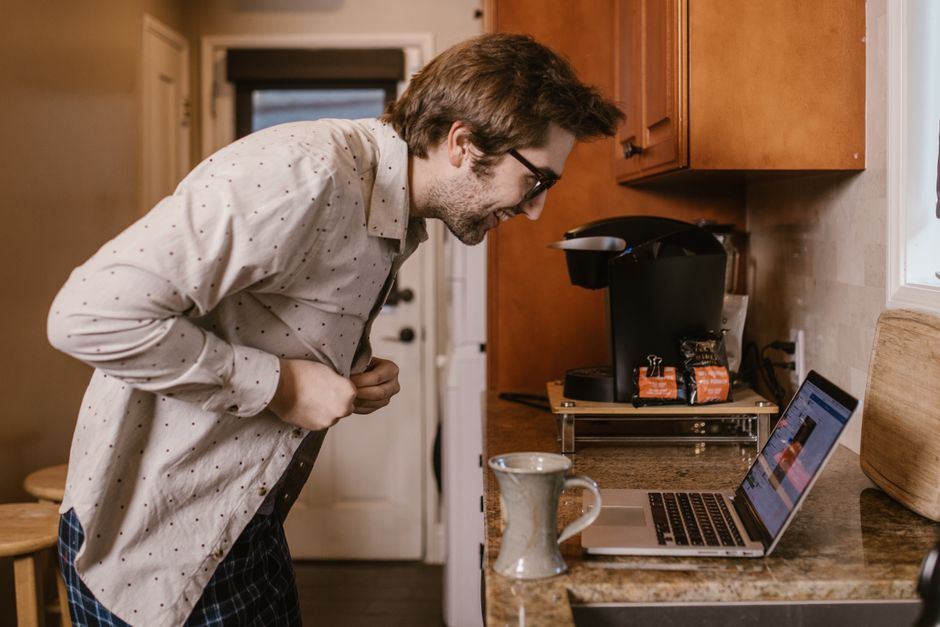
At the kitchen counter, the planner sits closed, a silent witness to the morning chaos. The alarm, set across the room, buzzes insistently, urging a start to the day. Yet, the routine feels heavier than expected. Work clothes, neatly laid out on the entryway chair, remain untouched for longer than intended. Each minute that passes adds a layer of frustration, as the promise of a refreshing urban walk fades into the background of a busy weekday morning.
As the clock ticks, the setup hinges too much on motivation rather than a solid plan. The bag, intended for the walk, lies open but empty, a reminder of the small habit that needs nurturing. The missed check of grabbing a water bottle or slipping on comfortable shoes can derail the entire exploration. Without these simple actions, the allure of the city streets dims, and the day begins to feel like a repeat of yesterday's missteps, where the excitement of urban walking gets overshadowed by the weight of unpreparedness.
The Morning Setup That Misses the Mark
Standing at the kitchen counter, the morning light filters through the window, illuminating a small bag waiting to be packed for the day. The bag, a simple canvas tote, lies open, yet it remains empty, a stark contrast to the neatly folded work clothes draped over the entryway chair. The clock on the wall ticks steadily, each second amplifying the urgency of the moment. The protagonist's work clothes cling uncomfortably, a reminder that time is slipping away faster than planned. With breakfast still untouched on the table, the planner sits closed, its pages waiting for today’s tasks to be written down.
As the minutes pass, the initial motivation to step outside and explore the urban landscape starts to wane. A quick check reveals that the water bottle, a crucial companion for any walk, is still in the fridge, forgotten. The decision to grab it now feels like a hurdle, adding to the weight of the morning routine. The small habit of preparing the bag the night before could have made this moment smoother, but the lack of preparation leads to a cascading effect where the excitement of urban exploration dims. Each missed step—a forgotten snack, the unfilled bag—pulls the protagonist further from the door, turning what should be a refreshing start into a frustrating delay. The allure of the city streets seems to fade, overshadowed by the chaos of an unstructured morning. The Small Drift That Changes Everything The alarm rings, but it sits on the kitchen counter, just a few feet away, instead of across the room. This small choice makes it all too easy to hit snooze and roll back into bed. The intention to rise early for a morning urban walk fades as the minutes slip by. Meanwhile, the planner remains closed on the table, its pages untouched, a silent reminder of the day’s potential that is slowly being squandered. With each passing moment, the excitement of exploration feels like a distant memory, overshadowed by the weight of an unstructured morning.
As the clock ticks, the protagonist realizes the water bottle is still in the fridge, forgotten in the rush. The decision to grab it now feels like a hurdle, adding to the weight of the morning routine. A quick check reveals the bag is still unprepared, lacking even the essentials like a snack or a set of keys. Each missed step—like not laying out the clothes the night before—pulls the protagonist further from the door, making the thought of stepping outside feel increasingly daunting. The allure of the city streets seems to fade, overshadowed by the chaos of an unstructured morning, leading to a frustrating delay instead of the invigorating start that was envisioned.
What Happens When the Routine Falters?
Standing at the kitchen counter, the clock's hands seem to race ahead while the planner remains closed on the table, a silent reminder of the day’s potential slipping away. The bag is mostly packed, but the water bottle is still in the fridge, forgotten in the rush of a chaotic morning. As the protagonist glances at the clock, the realization hits: there’s less time than expected, and every second counts. The decision to grab the water bottle now feels like a hurdle, pulling them further from the door. This moment of hesitation amplifies the weight of the morning routine, making the idea of stepping outside feel increasingly daunting.
As they dash back to the fridge, the protagonist remembers the map that was supposed to guide today’s exploration. It sits unscathed on the entryway chair, a reminder of the earlier mistake of not laying out essentials the night before. Each missed step compounds the pressure; the bag is now packed but lacking critical items. The first consequence is clear: without the water bottle, they’ll feel parched during the walk, and without the map, they risk wandering aimlessly. The anticipation of an invigorating morning stroll fades, replaced by the frustration of a rushed departure and the nagging worry of what else might have been overlooked. In this moment, the allure of the city streets is overshadowed by the chaos of an unstructured morning, leading to a frustrating delay instead of the energizing start that was envisioned.
This same friction shows up again in Daily Routines Real Life, especially when the day tightens unexpectedly.
A Quick Fix to Regain Control
If this pattern keeps repeating, Everyday Life In The extends the idea without leaving the niche.
On the kitchen counter, the planner lies closed, a silent witness to the chaos of the morning. As the clock ticks, the realization hits: without a clear plan, the morning walk is slipping away. To combat this, the protagonist places the planner in a prominent spot, right next to the coffee maker, ensuring it’s the first thing they see while pouring their morning cup. This small adjustment serves as a visual cue, reminding them of the exploration they had intended to embark on.
With the planner now visible, the next step is crucial. They set the alarm across the room, forcing themselves to physically get out of bed when it rings. This simple act shifts the morning dynamic; instead of hitting snooze and lingering in bed, they are now compelled to rise and engage with their routine. However, as the minutes pass, the work clothes still cling to them longer than intended, a reminder of how easily distractions can derail intentions. The planner and alarm setup, while helpful, can only do so much if the clothes remain on and the clock continues to tick. The tension between intention and execution remains palpable, but with these small changes, there’s a glimmer of hope for reclaiming the morning walk. The Part Worth Repeating Tomorrow On the kitchen counter, the planner lies closed, a silent witness to the morning chaos. Just beside it, the alarm clock sits, its red digits glowing like a beacon of urgency. As the minutes slip away, the decision to set the alarm across the room becomes crucial. This simple act forces a physical commitment; getting out of bed is no longer an option but a requirement. The moment the alarm rings, they have to rise, breaking the spell of comfort that keeps them tethered to the sheets.
However, the friction remains palpable. The work clothes, still draped on the entryway chair, linger longer than intended, a reminder of how easily distractions can derail intentions. The planner, while a helpful tool, remains unengaged when the clothes keep them in a state of indecision. Each time they pass the chair, the clothes whisper of tasks undone, pulling them back into a cycle of procrastination. The planner needs to be opened, not just seen, and the clothes need to be dealt with before the morning walk can happen.
To build a repeatable pattern, they decide to lay out the walking clothes the night before, placing them in plain sight next to the planner. This visual cue serves as a prompt, nudging them towards action. The next morning, as they pour their coffee, the sight of the ready clothes and the open planner creates a small but powerful shift in momentum. It’s a simple adjustment, yet it lays the groundwork for a more consistent morning routine, one that can transform intention into action.
As the morning light filters through the kitchen window, the reality of the day ahead becomes clearer. The clothes laid out the night before serve as a reminder of the small adjustments that can make urban walking exploration more accessible. When the planner is opened and the walking gear is visible, it sets a tone for the day, reducing the friction that can derail intentions. Each item in sight acts as a nudge, steering them away from the chair where indecision often lingers.
To further solidify this routine, placing the alarm across the room becomes a crucial next step. This simple act ensures that getting out of bed is not just about waking up, but about stepping into action. With the alarm ringing and the clothes ready, the path to an invigorating morning walk becomes clearer, transforming the intention into a tangible routine that fits seamlessly into the urban landscape.