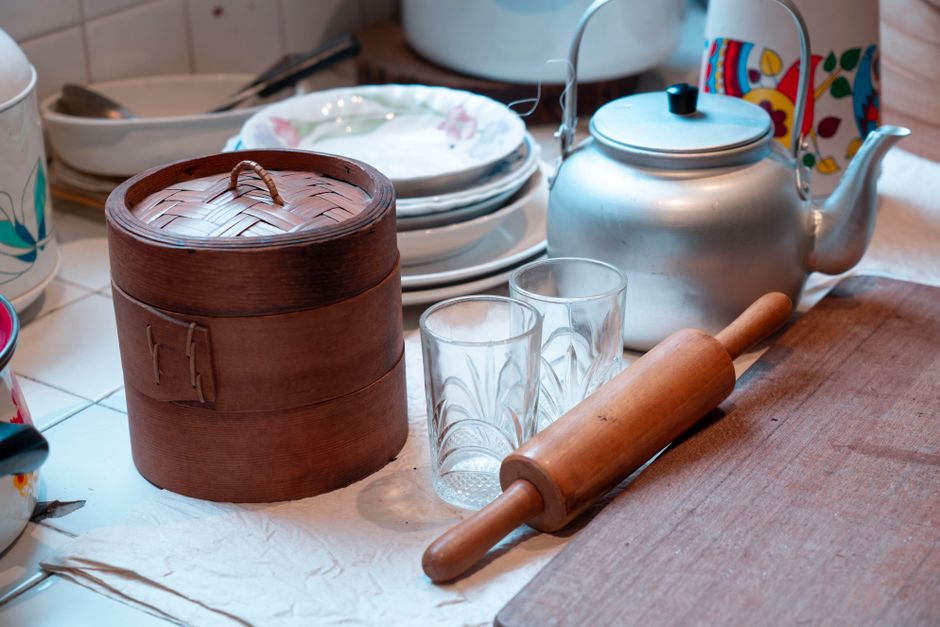
Standing at the kitchen counter, the aroma of coffee mingles with the sound of cereal crunching as the clock ticks toward the morning rush. A parent, juggling breakfast and reminders for the day, scans the cluttered countertop. The umbrella, still resting against the wall, is a reminder of yesterday’s rain, but it hasn’t made its way to the door. With a quick glance at the phone, a notification pings, pulling attention away from the morning routine and into a swirl of tasks that threaten to derail plans for an evening urban walk.
As the last spoonful of cereal is consumed, the parent mentally notes the clothes laid out for the day, but the small habit of placing the umbrella where it can be seen gets overlooked. This simple misstep, combined with the distraction of the phone, creates a ripple effect. The intention to explore the neighborhood later fades as the urgency of the morning routine takes precedence, leaving little room for the spontaneous adventures that urban walking can offer. Each overlooked detail compounds the challenge of integrating exploration into a busy schedule, highlighting how easily good intentions can slip away amidst the chaos of daily life.
The Morning Triage That Gets Overlooked
The kitchen counter is a battlefield of breakfast dishes, half-opened lunch bags, and scattered school supplies. As the clock ticks closer to departure time, the parent juggles pouring cereal and packing a water bottle, all while scanning the clutter for the umbrella. It’s a small detail, but one that could make or break the evening’s urban exploration plans. The umbrella, still resting against the wall, is forgotten in the chaos.
Just as the last spoonful of cereal is swallowed, a phone notification vibrates on the counter, pulling attention away from the morning reset. The parent instinctively reaches for the phone, diving into a quick email that feels urgent but is ultimately a distraction. In that moment, the intention to check off the small habit of placing the umbrella by the door slips away, replaced by the pressing need to respond to a message.
This moment of diverted focus creates a ripple effect; the parent now has one less item prepared for the evening walk. The clutter on the counter grows as the parent rushes to finish breakfast and gather the kids, leaving no time to adjust the setup for the evening. Each small oversight compounds the challenge of integrating spontaneous urban walking into a busy weekday routine, highlighting how easily good intentions can be derailed amidst the morning chaos.
The Hidden Steps That Trip Up Plans
This same friction shows up again in Everyday Life In The, especially when the day tightens unexpectedly.
On a typical weekday morning, the kitchen counter is a flurry of cereal bowls, half-packed lunch boxes, and a forgotten umbrella tucked away in the closet. As breakfast wraps up, the parent glances at the clock, realizing that time is slipping away. The intention to grab the umbrella and move it to the door for easy access gets lost in the shuffle of pouring milk and wiping down the counter. This simple oversight means that, come evening, the parent will face a decision: brave the rain without an umbrella or skip the walk altogether.
With the clock ticking, the parent hastily reaches for their work shoes instead of laying out the walking shoes by the door. The shoes sit neatly in the closet, but in the rush, they are overlooked. This decision, made in the heat of the moment, creates friction later; the shoes meant for walking are swapped for those that pinch and rub, making the idea of an evening stroll less appealing. Each small choice, like the forgotten umbrella and the unsuitable shoes, compounds the difficulty of integrating urban walking into the daily routine, illustrating how easily good intentions can slip through the cracks when preparation is overlooked.
A Quick Repair to Salvage the Morning
A slightly different version of this problem appears in Daily Routines Real Life, where the sequence changes but the hidden drag feels familiar.
As the clock ticks towards school drop-off, the kitchen counter becomes a flurry of activity. Breakfast is half-prepared, and a phone notification interrupts thoughts of a post-pickup walk. That moment of distraction can easily derail the entire plan. To keep urban walking on the agenda, a few quick adjustments can make all the difference.
- Place the umbrella by the door to ensure it's visible and accessible.
- Set a reminder on the phone to check for walking shoes before leaving the house.
- Lay out walking clothes on the kitchen counter the night before to streamline the morning.
These small actions, like putting the umbrella where it belongs, can create a smoother transition from morning chaos to evening exploration. By taking just a moment to lay out walking shoes and clothes, the parent can reduce the friction that often leads to missed opportunities for a refreshing stroll. This simple checkpoint, done in the early morning, can set the stage for a more enjoyable evening routine.
Establishing a Consistent Urban Walking Pattern
As the morning sun filters through the kitchen window, the kitchen counter becomes a staging ground for the day’s chaos. Amidst the clatter of breakfast preparations, the umbrella sits forgotten in the corner, a small but significant detail that can derail evening walking plans. By creating a designated spot for the umbrella and other walking essentials, such as shoes and a jacket, the parent can reduce the friction that often arises in the morning rush.
Before heading to bed, laying out walking clothes and shoes on the counter serves as a visual reminder of the evening's intention. This simple act can transform a chaotic morning into a streamlined process, as the parent can simply grab the clothes and shoes without rummaging through drawers. If the umbrella is placed by the door, it becomes a prompt to check the weather and grab it before heading out. This small habit of preparation can lead to a smoother transition from morning routines to evening explorations.
When the parent wakes up, the sight of the laid-out clothes and the positioned umbrella creates a mental cue, reinforcing the commitment to walk after dinner. This connection between preparation and action helps solidify the walking habit, making it easier to follow through on good intentions. The friction of forgotten items or last-minute searches is minimized, paving the way for a consistent urban walking pattern that fits seamlessly into the daily routine.
As the evening winds down and the kitchen counter becomes a hub of activity, the parent can streamline their morning routine by preparing for the next day’s urban exploration. By placing the umbrella by the door and laying out clothes the night before, they create visual cues that signal the intention to walk. This small adjustment not only minimizes the chaos of forgotten items but also reinforces the commitment to stepping out after dinner.
When the phone buzzes with notifications, it’s easy to lose focus on the reset. However, by establishing a habit of checking the weather and grabbing the umbrella while heading out, the parent can ensure that good intentions don’t slip away. The simple act of preparing the night before transforms the potential friction of a busy morning into a seamless transition, making urban walking a natural part of their daily rhythm.